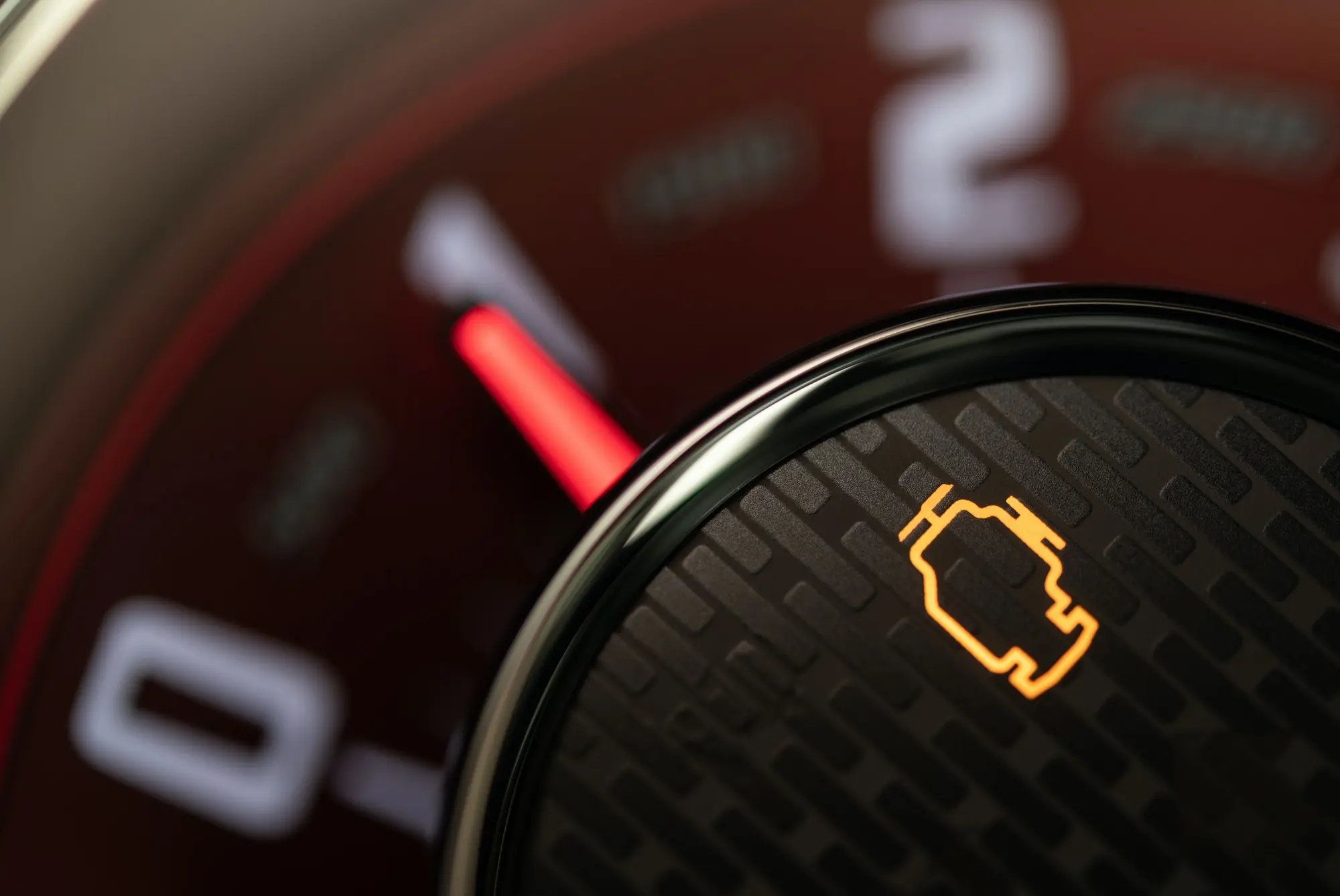
You’re heading out, coffee in one hand, keys in the other, when you notice something strange—a dark, greasy puddle under your parked car.
You kneel down to check and yep—it’s oil. Seeing your car leak oil can be worrying, especially when you’re not sure what’s causing it.
But don’t panic! This guide will help you understand why it happens, what to check, and what to do next.
Why Is Oil So Important for Your Car?
Think of oil like your car’s blood. It moves through the engine, keeping things running smoothly. Here’s why oil is essential:
- Lubricates engine parts: Your engine has many metal parts that move fast. Oil keeps them from rubbing too hard against each other.
- Reduces heat: Friction creates heat. Oil helps cool the engine down.
- Cleans the engine: Oil picks up dirt, dust, and small metal pieces so your engine stays clean.
- Protects parts: A healthy oil system helps prevent wear and tear.
When oil leaks, your car loses that protection. And without enough oil, your engine could overheat, break down, or even stop working completely. That’s why you should never ignore oil leaks.
What Does an Oil Leak Look Like?
Before jumping to conclusions, it’s good to check if the leak is really oil. Car fluids come in different colors and textures. Here’s how you can spot oil:
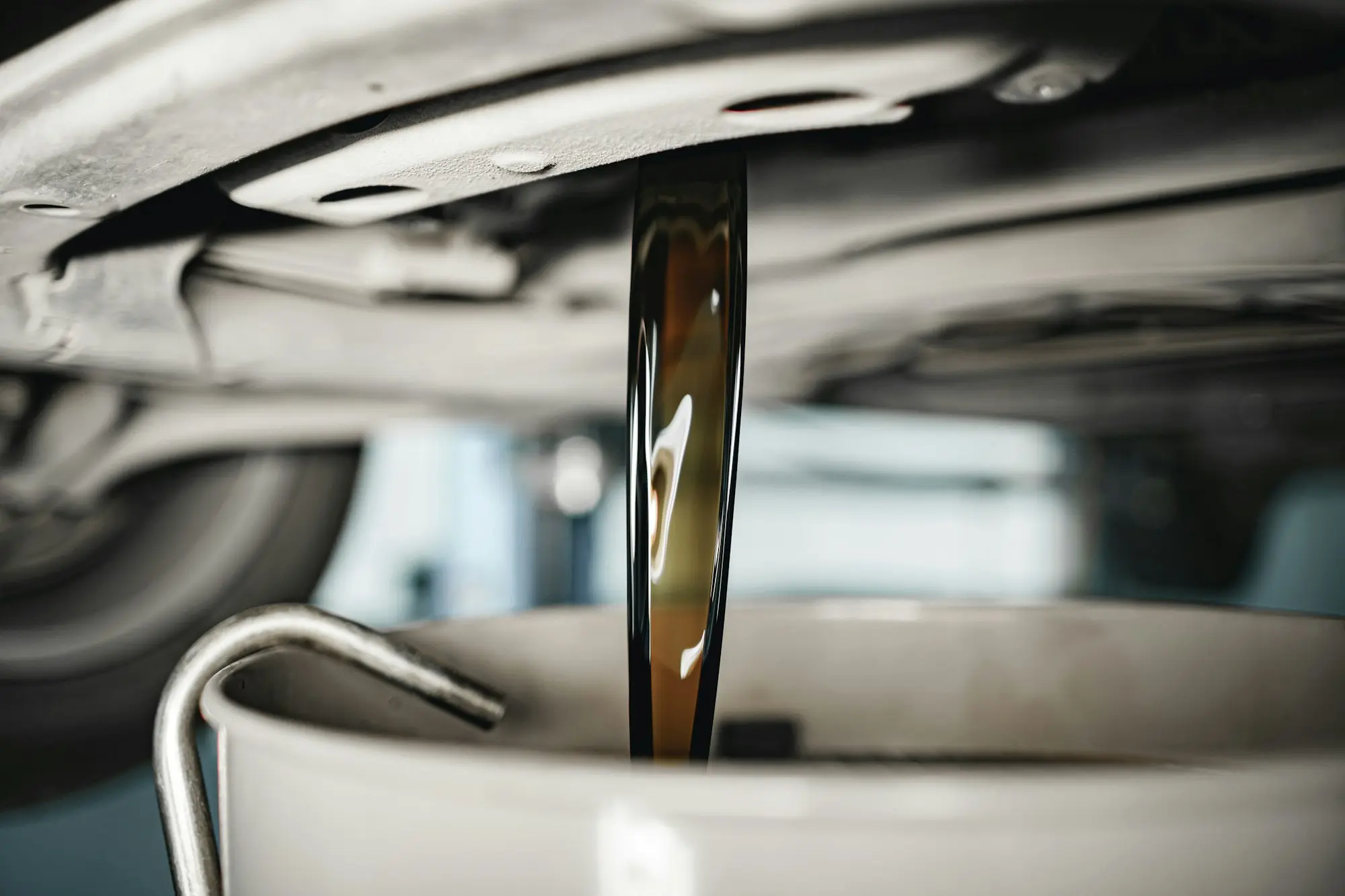
- Color: Used oil is usually dark brown or black. Fresh oil looks golden or amber.
- Texture: Oil is slick and greasy. It leaves a shiny mark on your fingers.
- Smell: It might smell like something burnt or smoky.
- Location: Oil leaks often show up near the front or center of the car, under the engine.
If the puddle matches these clues, there’s a good chance your car is leaking oil.
Top Reasons Your Car Leaks Oil When Parked
Let’s break down the most common causes of oil leaks:
1. Worn-Out Gasket
Gaskets are rubber or metal seals that sit between engine parts to keep oil in place. Over time, heat, age, and pressure cause these gaskets to wear out or crack. When that happens, oil slowly seeps out. You might not see much when the car is running, but once it’s parked and the engine cools, oil begins to drip.
Solution: A mechanic can inspect and replace the worn gasket. Common gaskets that leak include the oil pan gasket, valve cover gasket, and head gasket.
2. Loose or Damaged Oil Pan
The oil pan is located at the bottom of your engine and holds most of the oil. If you hit a pothole or road debris, the pan can get cracked or bent. Even a small crack or loose bolt can lead to a slow but steady oil leak.
Solution: A mechanic may tighten bolts, patch the crack, or replace the oil pan entirely depending on the damage.
3. Bad or Misfitted Oil Filter
Your oil filter keeps your engine clean by trapping dirt and debris. If it’s not installed correctly, the seal may be loose, causing oil to leak. Using the wrong size filter can also lead to leaks.
Solution: Always use the correct oil filter for your vehicle. Replace it during regular oil changes and ensure it’s tightened properly.
4. Worn-Out Drain Plug or Washer
The drain plug is the screw at the bottom of the oil pan, removed during oil changes. If it’s not put back correctly, or if the washer (a small rubber ring) is damaged or missing, oil can leak slowly. This is a common issue after a quick or careless oil change.
Solution: Replace the plug or washer. Make sure it’s tightened properly, but not overtightened (which can cause more problems).
5. Cracked Valve Cover Gasket
This gasket is located at the top of the engine. If it cracks, oil leaks down the engine’s sides. You may not notice it right away because it doesn’t always drip onto the ground. But when parked for long, the leaked oil can reach the ground.
Solution: Replacing this gasket is a fairly simple job for a mechanic and can stop the leak quickly.
How to Confirm If Your Car Is Leaking Oil
Not every dark puddle is oil. Sometimes it’s water from your AC or coolant. Here’s how to check:
- Look at the ground: If the puddle appears under the engine, it’s likely oil.
- Use a white paper towel: Dab the leak. If the stain is greasy and dark, it’s oil.
- Check your oil level: Pull out the dipstick. If the level is low or dropping over time, that’s a big clue.
- Smell around the hood: A burning oil smell can mean oil is leaking onto hot engine parts.
- Inspect the engine bay: Look for wet spots, grime buildup, or shiny drips near gaskets and bolts.
Is It Safe to Drive with an Oil Leak?
Here’s the deal: small leak = short drive okay, big leak = stop immediately.
Driving with an oil leak is risky for these reasons:
- You could run out of oil and damage your engine.
- Leaked oil can catch fire if it drips onto hot parts.
- Oil on the road is slippery, which can be dangerous for you and others.
If you must drive, top off the oil and head straight to a mechanic. But if the leak is large or sudden, call for roadside assistance.
Steps to Take Right Now
Here’s what you should do if you notice an oil leak:
1. Clean the Leak Spot
Use paper towels, rags, or kitty litter to clean up the puddle. This keeps your driveway clean and avoids slippery messes.
2. Check and Refill Oil
Use the dipstick to check the oil level. If it’s low, refill with the right kind of oil before driving.
3. Take It to a Mechanic
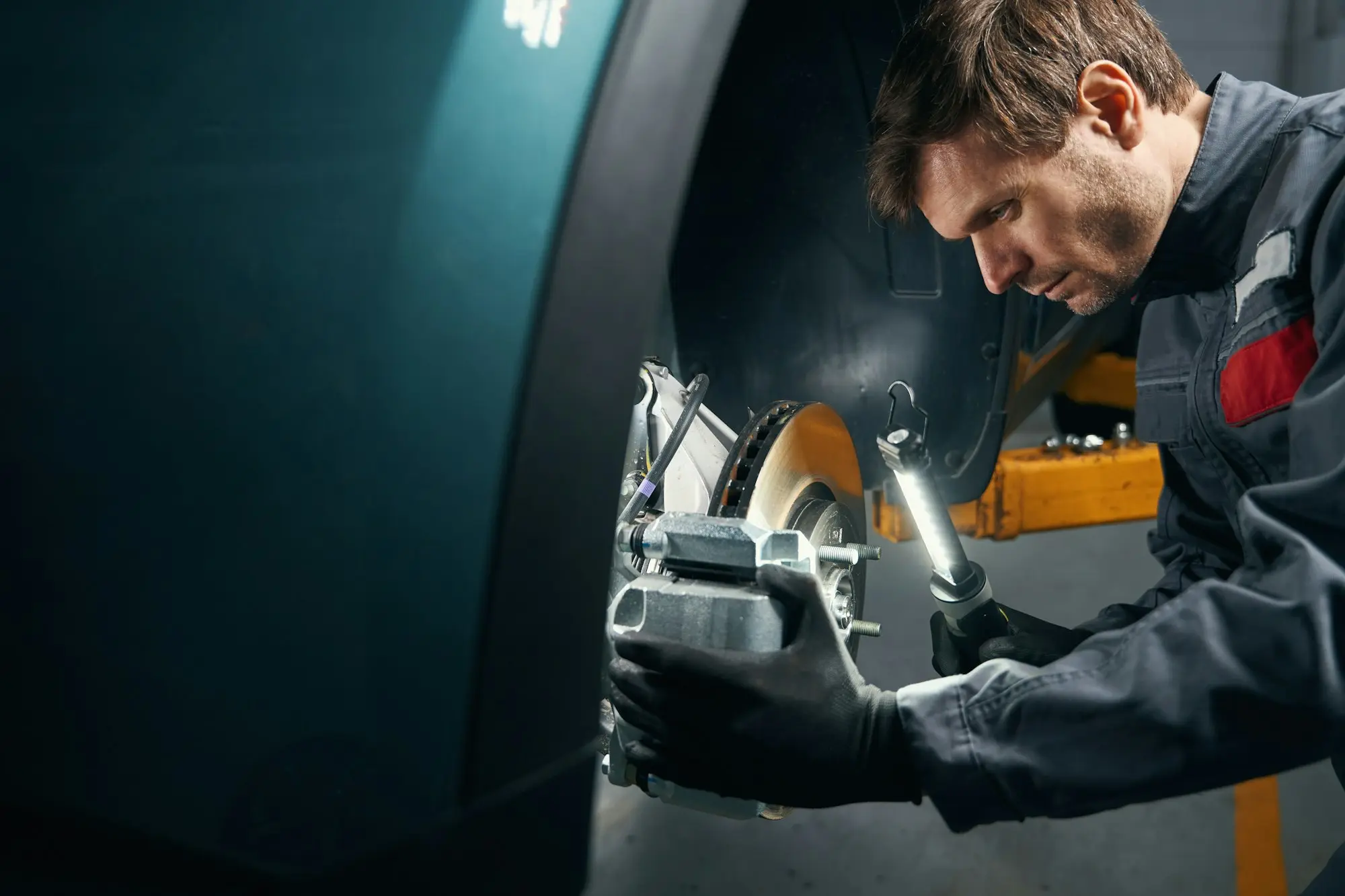
A trusted mechanic can lift your car, find the leak, and fix it. They might use special dye in the oil to trace the leak’s exact source.
How to Prevent Future Oil Leaks
Prevention is better than repair. Here’s how to protect your car:
- Get regular oil changes: This helps spot problems early and keeps your oil system healthy.
- Use quality parts: Cheap filters or gaskets wear out faster.
- Drive carefully: Avoid hitting curbs, potholes, or debris.
- Watch your oil level: Make it a habit to check the dipstick once a month.
- Listen and smell: Strange engine smells or smoke could be early warning signs.
Final Thoughts
A car leaking oil when parked isn’t something to ignore. While it might seem like a small issue, it can quickly turn into a big one—costing you money and putting your car at risk.
Knowing the signs, causes, and what to do can help you catch the leak early and avoid engine damage.
So next time you spot a puddle under your car, don’t just drive away. Check it out, top off your oil, and visit a mechanic if needed.
A little action now can save you a big headache later!